Ultimate Used Leica Camera Marketplace Guide: Buy and Sell with Confidence (2025)
Where you buy or sell your Leica matters. Learn how to get more money for your used gear.

Leica cameras hold their value better than almost any camera brand. Vintage film models, such as the M6, are currently selling for $2,800-$4,400—up 23% from historical averages. Even used digital Leicas maintain surprisingly strong resale prices.
However, most people lose money when buying or selling Leicas because they lack knowledge of how to leverage the market effectively. Choose the wrong platform and you'll leave thousands on the table. Miss red flags, and you might buy a fake or get scammed.
This guide shows you exactly how to navigate the Leica marketplace like the pros do—whether you're buying your first rangefinder or selling a collection.
Understanding the Used Leica Camera Market Landscape
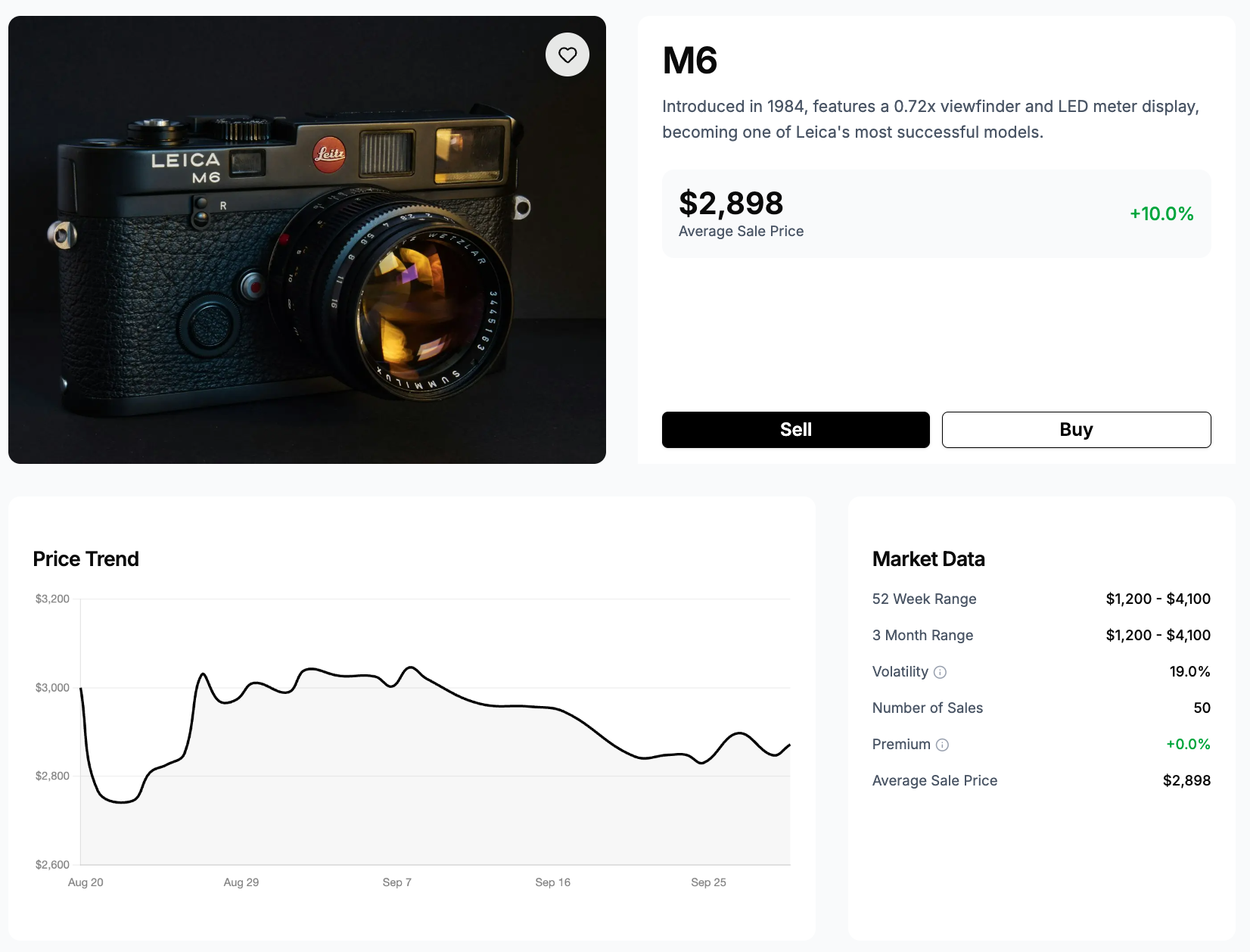
The Leica M6 exemplifies the broader renaissance in film photography equipment. Clean M6 examples now consistently cross the $2,800 threshold, with exceptional units commanding $4,400 or more. This appreciation reflects both the recent M6 reissue announcement and the growing recognition that well-maintained vintage Leicas often outperform their modern counterparts in terms of build quality and long-term reliability.
Regional preferences significantly impact pricing and availability across US markets. West Coast buyers, particularly in the San Francisco Bay Area tech community, demonstrate a strong appetite for both vintage and cutting-edge digital models. East Coast markets, anchored by New York's photography scene, prefer professional-grade equipment with clear ownership history. Understanding these geographic nuances helps buyers find better deals and sellers target appropriate audiences.
The supply side presents interesting dynamics that savvy buyers can exploit. Limited production runs maintain Leica's exclusivity but create artificial scarcity that unnecessarily inflates certain model prices. Platforms like Summimarket have emerged to address this inefficiency by connecting serious collectors with properly documented equipment, using auction-style bidding that often reveals true market values rather than inflated asking prices.
Current market data reveals fascinating inversion patterns in condition premiums. The largest value jump occurs between "very good" and "excellent" condition grades, making immaculate cameras particularly valuable while creating opportunities for buyers willing to accept minor cosmetic wear that doesn't affect functionality.
Where to Sell Your Leica Camera for Maximum Value
When evaluating options to sell a Leica camera, most owners underestimate their equipment's true value by choosing convenience over returns. Local camera shops typically offer 40-50% of fair market value, while professional platforms like KEH and MPB range from 50-70%. However, specialized Leica-focused marketplaces consistently deliver 75-85% of retail value by connecting sellers with enthusiast buyers who appreciate quality and provenance.
Where you sell makes a big difference in final price. Metropolitan areas with strong photography communities—New York, Los Angeles, San Francisco, Washington DC—support premium pricing for professional-grade equipment. However, shipping-based sales often yield better returns by accessing the national collector market rather than limiting exposure to local buyers who may not appreciate specific model nuances or historical significance.
The emergence of specialized platforms like Summimarket represents a shift toward expertise-driven sales that benefit both buyers and sellers. Their curated auction approach, featuring expert-written descriptions and standardized condition grading, consistently delivers higher returns than general marketplaces while providing authentication assurance that reduces transaction friction and buyer hesitation.
Smart Buying Strategies for Vintage and Digital Leicas
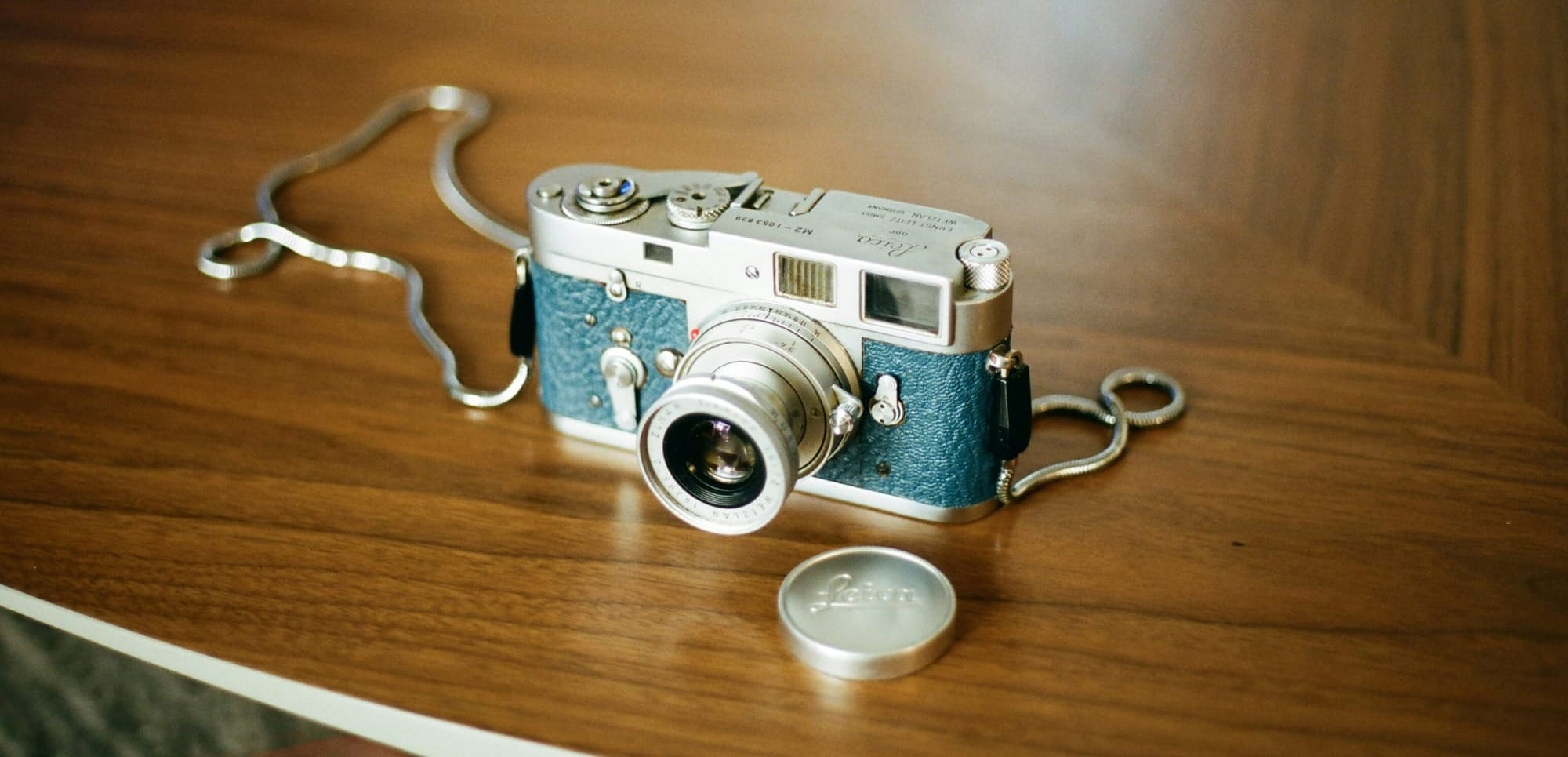
Successful buyers treat vintage Leica camera price guide research as investment analysis rather than casual shopping. Current market data reveals the M3 trading range to be $1,000-$1,900 for standard examples, but rare variants, such as the MP Hammertone, command prices of $25,000-$40,000, based on production numbers and historical significance. Understanding these value gradients helps buyers identify underpriced opportunities and avoid overpaying for standard models marketed as "rare."
Authentication represents the highest-stakes element of Leica purchasing, with Soviet counterfeits comprising 99% of fake cameras in circulation. Professional buyers focus on subtle indicators, such as the viewfinder window trim that doesn't touch the top plate on genuine cameras versus rectangular trim reaching the edge on fakes, the wheel-based rangefinder coupling versus solid metal arms, and the proper lens infinity positions at 7 o'clock for genuine Elmar lenses versus 9 o'clock for Soviet copies.
Digital model purchases require different expertise, particularly regarding known failure modes and upgrade paths. M9 sensor corrosion affects numerous units, and Leica discontinued repair services in 2020, making pre-purchase inspection critical. Conversely, M240 series cameras offer excellent value propositions as established, reliable platforms that avoid both first-generation issues and current-model premium pricing.
Timing purchases strategically around product cycles and market events yields substantial savings. New model announcements typically trigger selling waves of previous generations, creating temporary buyer's markets. Similarly, understanding seasonal patterns—spring equipment transitions, fall portfolio builds, year-end tax considerations—helps buyers find motivated sellers offering below-market pricing.
Trade-In vs Private Sale Options
The Leica digital camera trade in decision ultimately depends on prioritizing convenience versus maximum financial return. Authorized dealers like Leica Store Miami offer trade-ins at 80% of fair market value with immediate credit toward new purchases, making them attractive for users upgrading within the Leica ecosystem. However, private sales through specialized platforms typically yield 90-95% of market value, justifying the additional time investment for valuable equipment.
Professional platforms occupy a middle ground that many sellers find optimal. KEH's conservative grading and 180-day warranty provide credibility that supports premium pricing, while their established customer base includes serious collectors willing to pay fairly for documented quality. MPB offers faster processing with 6-month warranties and increasingly competitive payouts, particularly for contemporary digital models.
When you sell matters, timing can mean hundreds more in your pocket. During high-demand periods—new product launches, major photography events, seasonal buying patterns—private sales command substantial premiums over trade-in offers. Conversely, during market lulls or when facing inventory management pressure, professional dealers may offer competitive trade valuations that approach private sale returns while providing immediate liquidity.
Recent innovations like Summimarket's auction model bridge the gap between private sale returns and professional platform convenience. Their expert-crafted listings and anti-sniping protection create competitive bidding environments that often exceed initial estimates, while their buyer premium structure remains transparent and competitive with other specialized platforms.
| Selling Method | Payout | Speed | Effort | Best For |
|---|---|---|---|---|
| Local camera shop | 40-50% | Same day | None | Emergency cash |
| KEH/MPB | 50-70% | 1-2 weeks | Low | Quick, safe sale |
| Authorized dealer trade-in | 80% | Same day | None | Buying another Leica |
| eBay/Forums | 85-90% | 2-4 weeks | High | Tech-savvy sellers |
| Summimarket | 90-95% | 1-2 weeks | Low | Maximum value |
Red Flags and Authentication Tips for Safe Transactions
Knowing where to buy and sell is only half the battle, you also need to protect yourself from fakes and fraud. Counterfeit Leica cameras represent the most serious financial risk in the vintage market, with sophisticated reproductions that can fool casual buyers. Beyond obvious Soviet conversions, recent concerns include artificially aged cameras with fake military markings, particularly spurious Nazi-era commemoratives designed to exploit historical collecting premiums. Authentic military cameras require extensive documentation and expert verification that most sellers cannot provide.
Online marketplace fraud has evolved beyond simple counterfeits to include elaborate fake dealer websites offering unrealistic discounts on current models. These operations often use stolen images and fabricated inventory to collect payments for cameras they cannot deliver. Legitimate authorized dealers maintain consistent pricing within narrow margins, making significant discounts immediate red flags requiring verification through official Leica dealer directories.
Sellers often hide defects that cost you money, particularly for digital cameras with internal defects that may not appear in listing photos. M9 sensor corrosion, M10 battery degradation, and rangefinder calibration issues require hands-on testing that remote purchases cannot accommodate. Professional platforms like KEH and MPB provide standardized grading and return policies that protect against these risks, while private sales require detailed questioning and potential in-person inspection.
Conclusion
The Leica camera marketplace rewards knowledge, patience, and strategic thinking over impulsive decisions. Understanding model-specific value drivers, authentication markers, and platform dynamics enables both buyers and sellers to navigate this specialized market confidently.
Whether you're acquiring your first rangefinder or liquidating a collection, choosing the right platform matters. General marketplaces attract casual browsers; specialized platforms like Summimarket connect you with serious Leica enthusiasts who understand value and are ready to pay fairly for quality equipment.
Ready to buy or sell your Leica? Here's what to do next:
If you're buying:
- Check current market prices on Summimarket's recent sales.
- Review our authentication checklist above.
- Set up alerts for your target model.
If you're selling:
- Grade your camera's condition honestly.
- Take high-quality photos showing serial numbers.
- List on a specialized platform like Summimarket, where serious collectors actively compete for quality gear.
The Leica market is hot right now—don't miss your opportunity to get top value for your gear or find that dream camera you've been hunting.